Guidelines to your online teaching journey

New to remote teaching? So are we! It’s back to school tomorrow and our Nova Pioneer Paulshof School Leader, Claudia Pienaar, created this tool kit for her team on how they can be a successful remote-learning teacher. We hope you enjoy.   1. Dress for Success Remember that even though

New to remote teaching? So are we! It’s back to school tomorrow and our Nova Pioneer Paulshof School Leader, Claudia Pienaar, created this tool kit for her team on how they can be a successful remote-learning teacher. We hope you enjoy.


1. Dress for Success

Remember that even though you are teaching remotely it is important that you look professional and presentable at all times. Think of what you would wear in the classroom – this is how you should come across on the video to your students. You definitely can enjoy the fact that your students can’t see what you were in from the waist down so feel free to stay in your comfortable track pants and slippers if you like, just ensure that everything that your students look professional and well-presented! 


2. Light It Up

Lighting makes a big difference to your video! Natural light is best, especially when done in the morning or after midday. The harshness of the midday sun casts harsh shadows on your face, so isn’t always the most complimentary or flattering. Should you be shooting your video inside and using artificial light, ensure that you have enough light and are not sitting in silhouette. 


3. Setting the stage

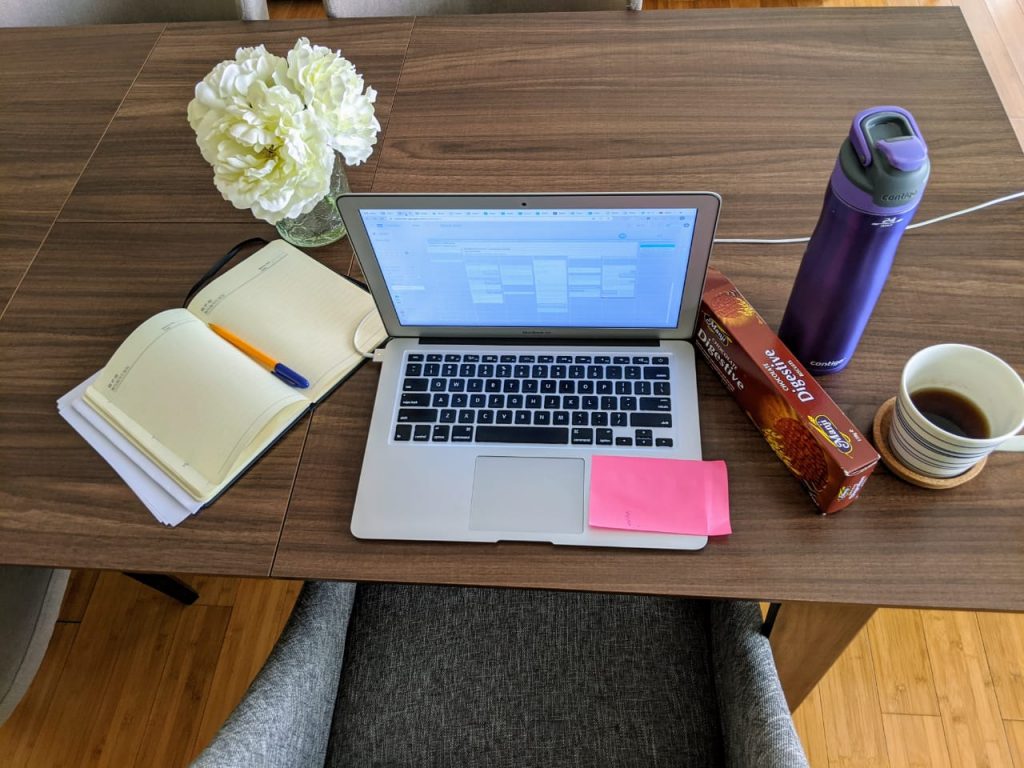
It is very important to make sure that you have a quiet space to record. Naturally some background sounds are unavoidable, like the gentle sound of children playing in the background or the lovely sound of a hadeda going over your house! Do try make sure that any background noises are minimal and unavoidable. Your background itself should be clean and neat. Avoid a messy or distracting area to record. 


4. Short Bursts

Try work in short bursts, keep instruction to 5 – 7 minutes before using an engagement strategy. Do a Turn and Talk, give a task or activity, even ask children to respond to you like Dora the Explorer! It is easier to find ways to keep the students engaged by breaking your instruction into smaller parts. 


5. Loud & Clear

Research shows that the clarity of speech and audio in a video makes the greatest impact on the audience. Use a mic that will project you well.  This may mean that you need to put in your headphones so that you can use the mic attached. Be sure that you articulate clearly and speak slowly. Do not rush or mumble, it is very important that your lesson is able to get through to the students and we are clear we are consistent.


6. Keep it sweet & simple

Remember that the focus of these videos is on teaching. It is not about entertaining the students, so there is no need for any frills or fuss. You do not need to put on a show. Keep your focus on teaching and learning.

A good idea is at the beginning of the video, to provide the children and list of any materials that they will need for the lesson. Allow them to pause the video and go and collect the items. This way the student has everything with them for the lesson. Smile, and be your natural self. Your students have been missing you, so let them see YOU!


7. Peer Review

Before posting your masterpiece, ask a peer or mentor to review it for you. Ask them to look out for any mistakes that we would all like to avoid having these immortalized in video for all mankind by going viral. 


Academic Goal Setting With Your Child

As we look forward to a new year, a lot of us may already have set our new year’s resolutions. For parents however, the question is, “have you taken time to set academic goals with your child?” If your answer is no, or not yet, then now may be the

As we look forward to a new year, a lot of us may already have set our new year’s resolutions. For parents however, the question is, “have you taken time to set academic goals with your child?” If your answer is no, or not yet, then now may be the right time for you to start Academic Goal Setting with your little ones.

In my experience as an educator, I have come across many parents who want to get actively involved in their children’s education but, more than often, do not know where to start or the best way to do so. I continue to advise parents to focus on collaborative goal setting with their children. Nova Pioneer believes this is a great way to contribute to their children’s educational success. 


Setting Growth Goals

In the previous year, my learners and I set ‘Growth Goals’ together. This was after we had a conversation about understanding our Always Growing culture principle. They took the lead and wrote down their academic growth goals. These were hung up the wall to serve as a constant reminder of what they were working towards.

Each term, we took some time to reflect and track how far we were to reaching our goals. This was important as it allowed the learners a chance to celebrate their achievements and also note down some growth areas. 

Academic Goal Setting should not be treated like New Year’s Resolutions – set once and never looked at again. It should be an ongoing process which requires tracking and reflection so that learners are constantly aware of the expectations they have set for themselves.


How do I set goals with my child?

It is a good idea to have conversations around how they picture their future then introduce goal-setting to them as a building block towards their desired future.  A great way of setting goals is through the use of the SMART mnemonic. SMART stands for:

S – Specific

M – Measurable

A – Attainable

R – Relevant

T – Time-bound

For example, instead of having “to pass grade 4” as a goal, it is more powerful to use the SMART goal “To achieve more than 70% in each subject at the end of term 1.”


How will my child benefit from goal setting?

Academic Goal Setting will not only pave the way for academic success, but it also has other great benefits for learners. Research has uncovered many key aspects of goal setting theory and its link to success (Kleingeld, et al, 2011). Setting goals is linked to self-confidence, motivation, and autonomy (Locke & Lathan, 2006). 


Here are more benefits:

Active engagement: The goals are set by the students themselves. Therefore, they work actively towards achieving them. This means they place more effort in their studies to ensure they accomplish the goal.

Accomplishment: Celebrating the small successes is a great part of goal-setting as it motivates the learners to achieve more. These accomplishments contribute to increased self-confidence. 

Awareness of strengths and weaknesses: Goal setting allows students to be aware of their potential. They discover their strengths and weaknesses which allow them to set more attainable goals in the future. Furthermore, they can aim higher and advance their learning. 

Collaborative goal-setting, therefore, increases parental involvement, broadens students’ thinking and provides a map for the school year.

Here’s a free reflection template to use as a goal tracker with your child.

Written by Khensani Mabona – a resident teacher at Ormonde Primary